 The Edinburgh Tour Guide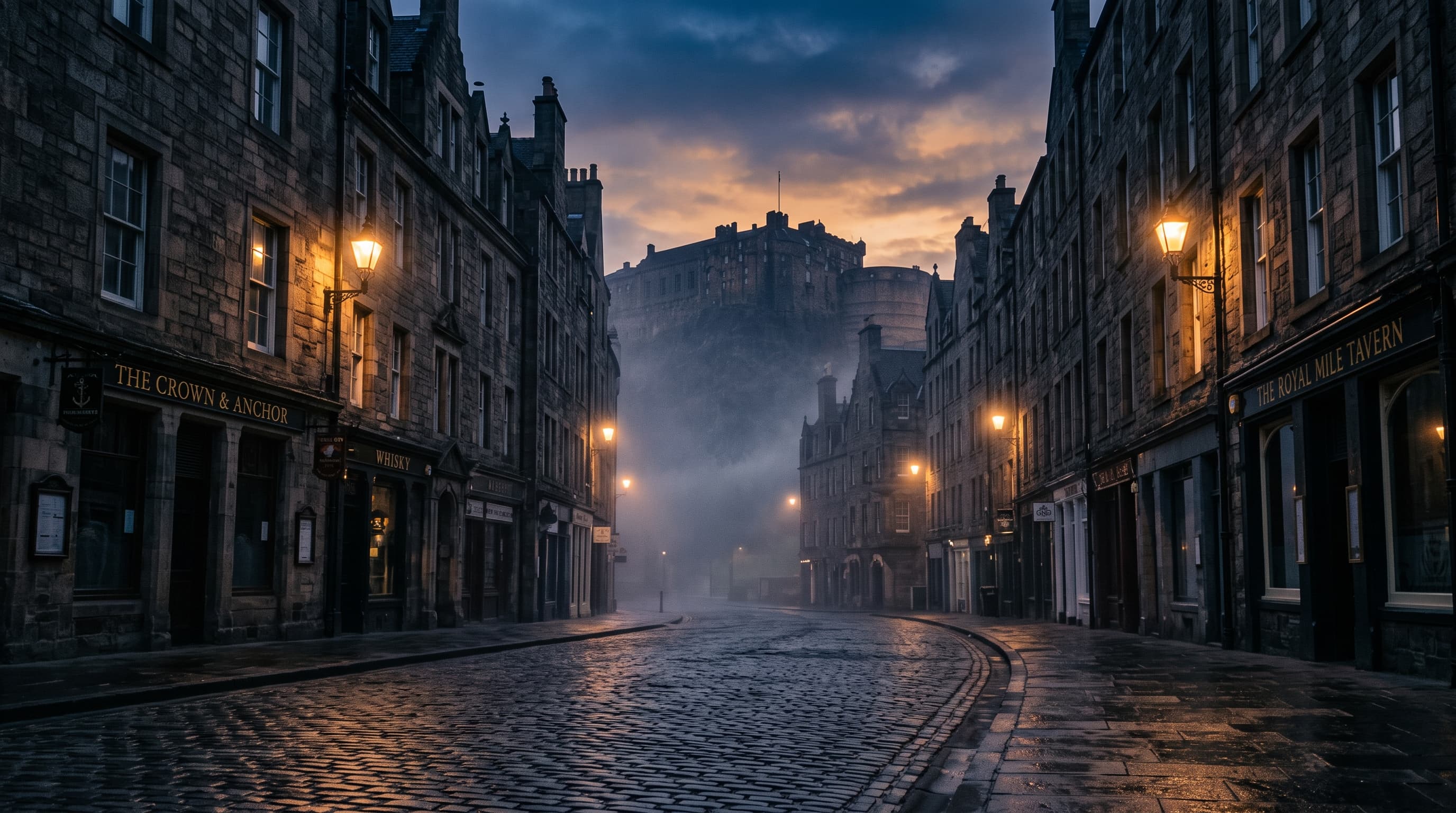
Edinburgh rewards people who go one street further than the main one. The Royal Mile is the spine of the city and you will walk it, more than once, but almost everything that makes people fall for this place sits just off it: a close you nearly walked past, a free museum with more in it than you had time for, a view from a hill nobody put on a postcard. This is the real order of operations, not a top-15 list ranked by how many photos an attraction gets.
Two days minimum: Old Town, the Castle, one free museum. The three genuinely free things most visitors underrate are the National Museum of Scotland, Arthur's Seat, and the closes off the Royal Mile, none of them cost a penny and all three are better than most of what people pay for. The one thing worth booking ahead and paying for without hesitation is Edinburgh Castle, go first thing in the morning, before the one o'clock gun crowd builds.
Minimum time
2 days
Book ahead
Edinburgh Castle
Best free things
Museum, Arthur's Seat, closes
The three things everyone does, and how to do them right
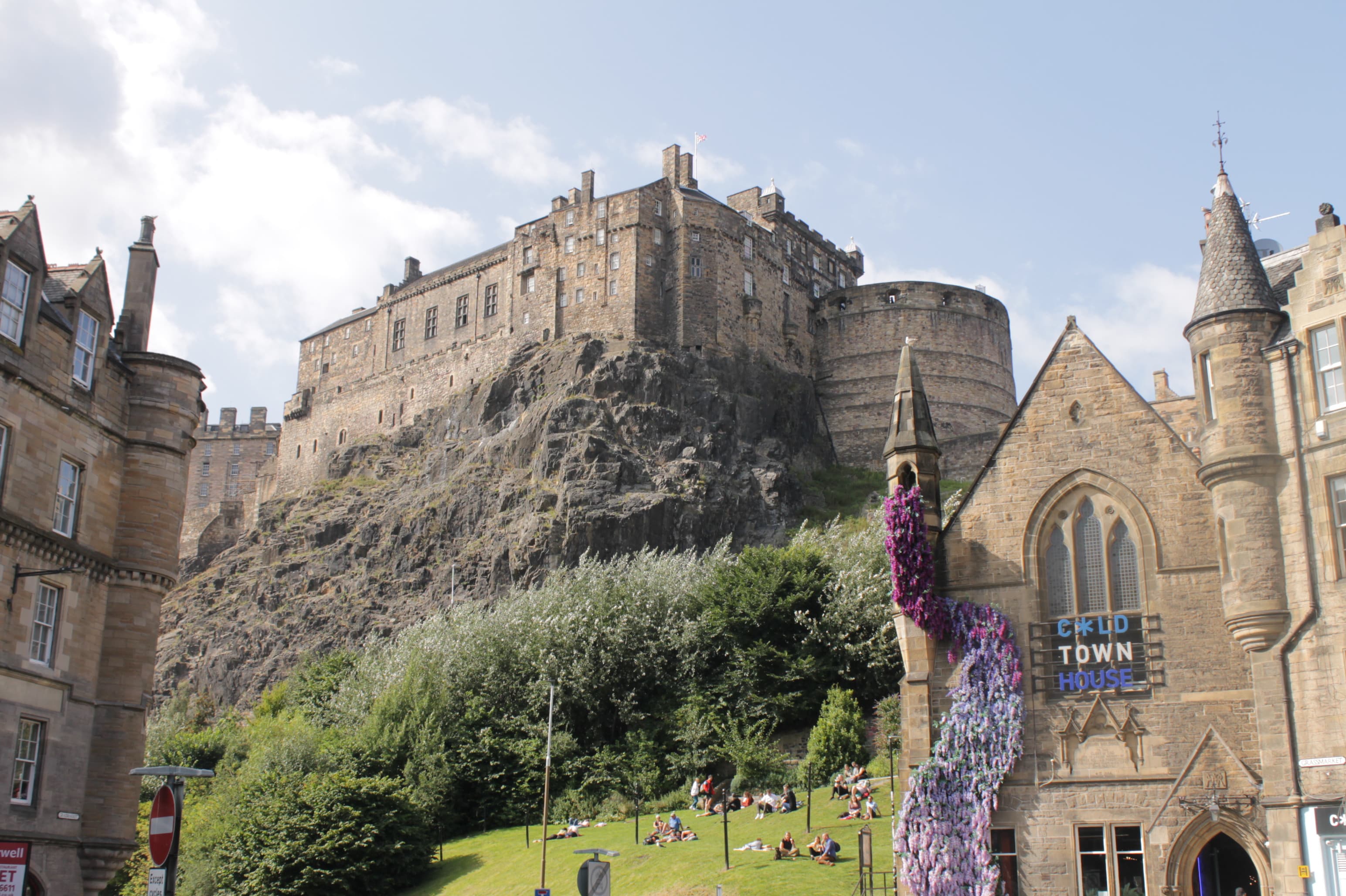
Edinburgh Castle sits on an extinct volcanic rock above the whole city and dominates every view of the skyline. Inside: the Scottish Crown Jewels, the Stone of Destiny, the National War Museum, and tiny St Margaret's Chapel, the oldest surviving building in Edinburgh. It is genuinely worth the ticket, but book ahead and go first thing: the crowds build through the morning and the one o'clock gun draws the single busiest moment of the day, worth seeing once, not worth queuing through if you have somewhere else to be after.
The Royal Mile runs downhill from the Castle to the Palace ofHolyroodhouse, roughly a mile as the name says, lined with a mix of genuine history and tourist-trap tartan shops. The part worth slowing down for is what runs off it: narrow closes and gated alleys, many open to the public, that lead into quiet courtyards you would never guess were there from the street. Riddle's Close, Advocate's Close and the closes around the Lawnmarket are where the Old Town stops performing for tourists and starts feeling like a city that has been continuously lived in since the 1600s. Partway down, St Giles' Cathedral is free to enter (a donation is welcomed), with an audio guide available for a few pounds if you want the detail. It is a working church as much as a landmark: Queen Elizabeth II lay in state here in 2022.
Arthur's Seat is the extinct volcano at the edge of Holyrood Park, and the walk up is steeper than it looks from a distance but doable in trainers in under an hour each way. The reward is the whole city laid out below you, the Firth of Forth on the horizon, and on a clear day, Fife across the water. Free, always open, and the single best view in Edinburgh that costs nothing.
Booking the Castle
Adult entry is £23.50 booked online and £26at the gate, and the castle says outright that once online tickets sell out there are none left at the door. Book a timed slot before you travel and take the earliest one you can face. Guided entry across several operators rates close to 4.9 on thousands of reviews, which is a large and stable sample rather than a few lucky ratings, but it measures satisfaction with the guide, not a claim that self-guided visitors have a worse time.
We put the full price table, the opening times, the discounts that never make it into a comparison table and the exact point where the Explorer Pass starts paying for itself in the Edinburgh Castle tickets guide.

Edinburgh Castle: Guided Walking Tour with Entry
Skip-the-line entry plus a guide who covers the Crown Jewels, St Margaret's Chapel and the history most self-guided visitors miss.
Old Town landmarks people rush past
Grassmarket, tucked beneath the Castle, was a livestock market in the 14th and 15th centuries and a site of public executions from the 1600s well into the 1700s. It had a rough reputation as recently as the 1970s and 80s. Today it is indie shops, cafés and some genuinely atmospheric old pubs, and it is where the Old Town stops feeling staged.
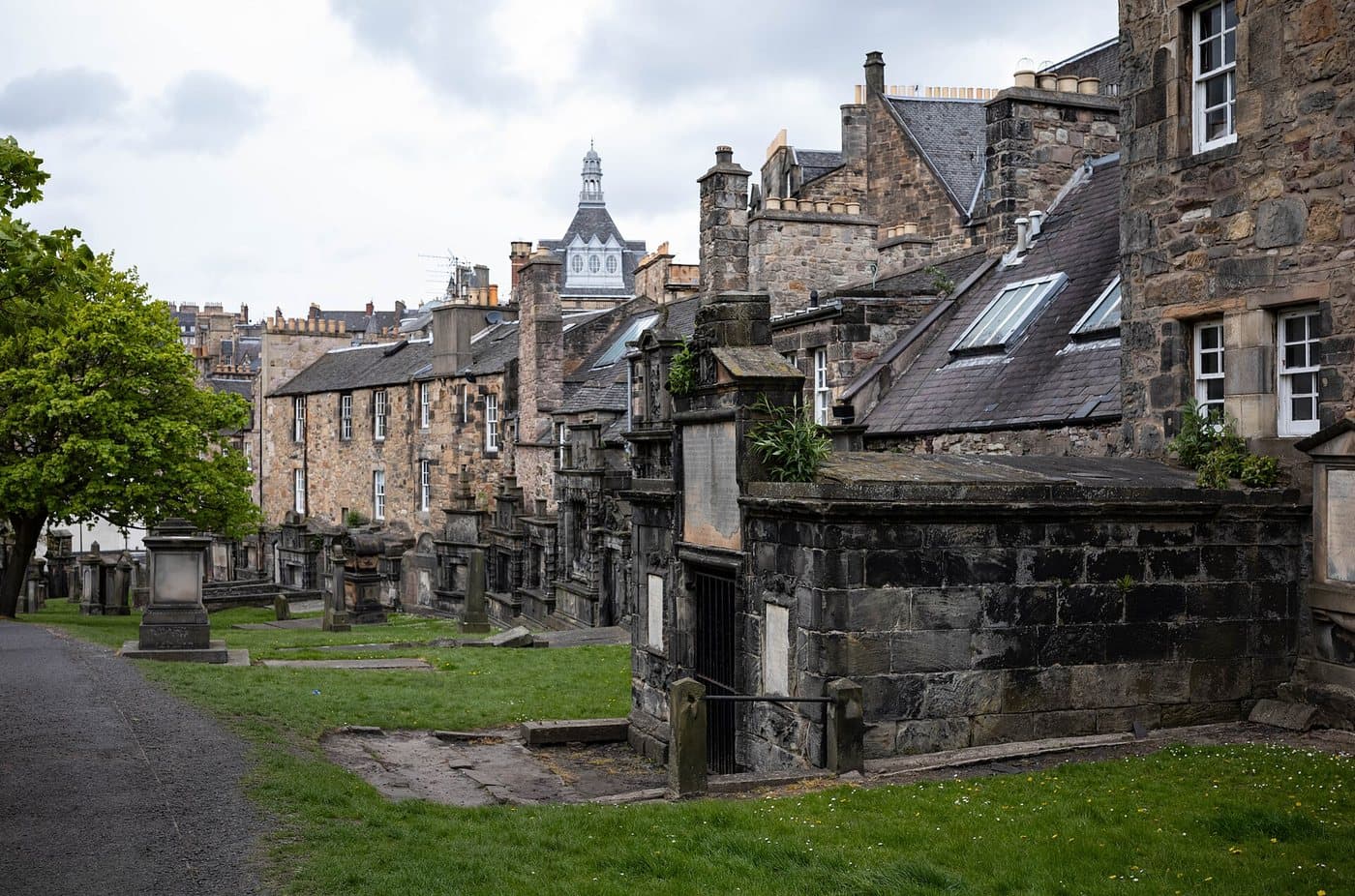
Greyfriars Kirkyard is a working graveyard with a real Harry Potter connection that has nothing to do with a film set: J.K. Rowling wrote much of the series in Edinburgh, and several character surnames, including Tom Riddle, appear on gravestones here. It is also home to the Greyfriars Bobby legend, a dog who reportedly guarded his owner's grave for years. Free to walk through, atmospheric even in daylight.
The Scott Monument on Princes Street is the tall Gothic spire that shows up in half of Edinburgh's postcards, built for the writer Sir Walter Scott. You can climb it for a view over Princes Street Gardens if you do not mind a narrow spiral staircase and do not mind paying for the privilege.
What's free, that most visitors underrate
The National Museum of Scotland is free to enter and one of the most comprehensive museums in the UK: Scottish history, world cultures, natural science, and genuine standouts like the Lewis Chessmen (12th-century Norse chess pieces) and Dolly the Sheep, the first cloned mammal. Budget two to three hours, it is bigger than it looks from outside. Edinburgh actually has three major free galleries and museums, not just one: the Scottish National Portrait Gallery, one of the city's most striking buildings inside as well as out, and the National Gallery of Scotland on Princes Street, Renaissance to mid-20th-century European art plus a strong, recently reworked Scottish collection.
The other thing that costs nothing to join is a free walking tour, though that one comes with a tip at the end, and the amount everyone recommends works out at the same hourly price as a booked tour. Worth reading the numbers before you decide what to hand over.
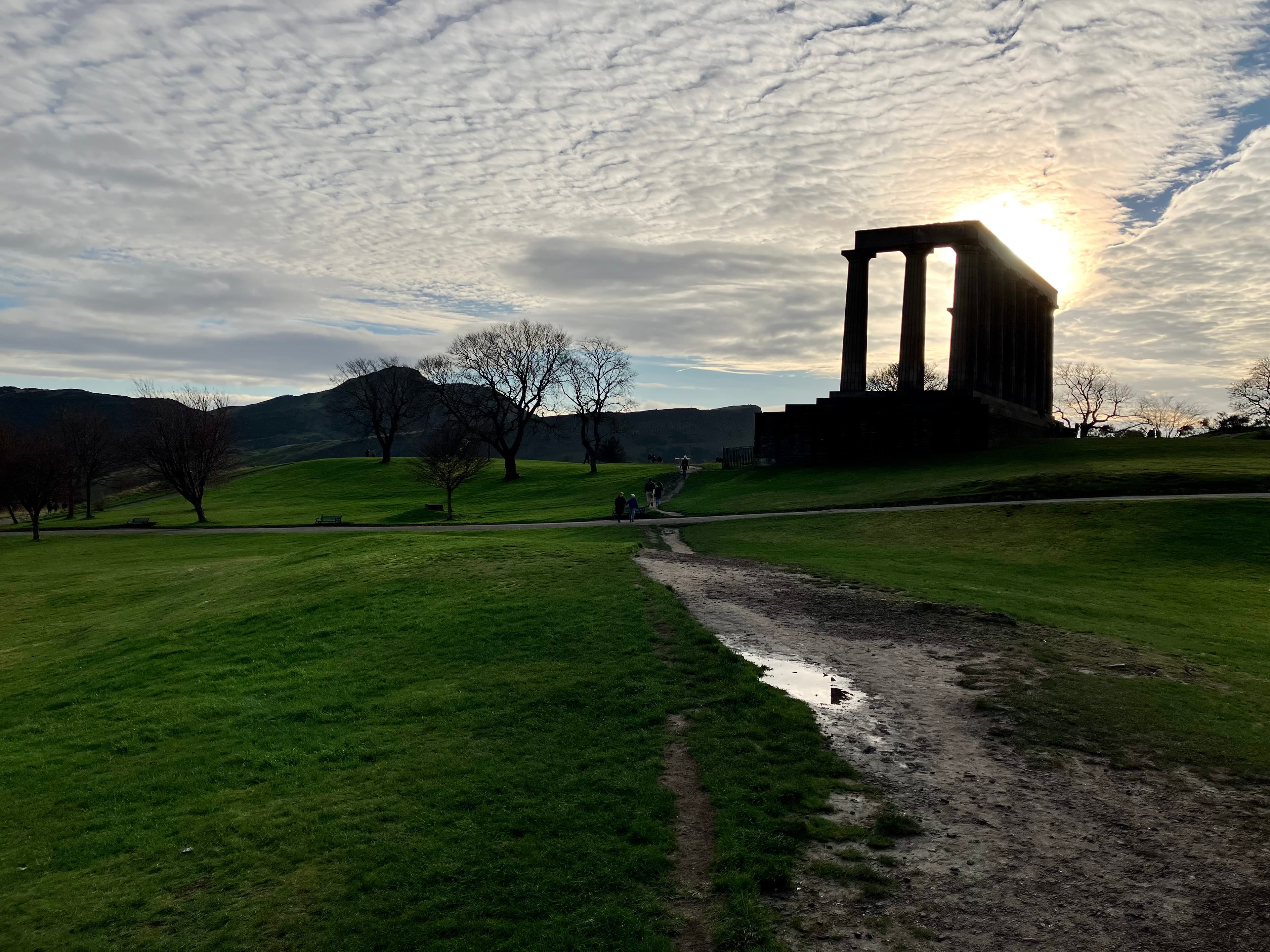
Beyond the museums: Calton Hill, a shorter, easier climb than Arthur's Seat with the National Monument and the Nelson Monument, and arguably the best classic postcard view of the Castle and the Old Town skyline. Victoria Street, the curved, colourful street in the Old Town near Grassmarket. The Vennel Viewpoint, a set of steps most guidebooks skip that frames the Castle perfectly. And the Water of Leith Walkway, a quiet river path that gets you out of the tourist crush entirely without leaving the city.
Free vs. paid, at a glance
| Costs nothing | Time to budget | Worth booking ahead | Time to budget |
|---|---|---|---|
| National Museum of Scotland | 2 to 3 hours | Edinburgh Castle | 2 to 3 hours |
| Arthur's Seat | ~1 hour each way | Camera Obscura & World of Illusions | 1 to 2 hours |
| Scottish National Portrait Gallery | 1 to 2 hours | Dynamic Earth | 1.5 to 2 hours |
| National Gallery of Scotland | 1 to 2 hours | Scott Monument climb | 30 to 45 minutes |
| Calton Hill | 30 to 45 minutes | Underground ghost/vaults tour | 60 to 90 minutes |
| Greyfriars Kirkyard, closes off the Mile | 30 to 60 minutes | Whisky experiences | 50 to 90 minutes |
Six genuinely good free things against six genuinely good paid ones, and the free column alone is enough to fill two full days. That's the actual argument for spending three days rather than two: not that two isn't enough for the paid highlights, it's that two barely covers the free column properly on top of them.
Old Town or New Town
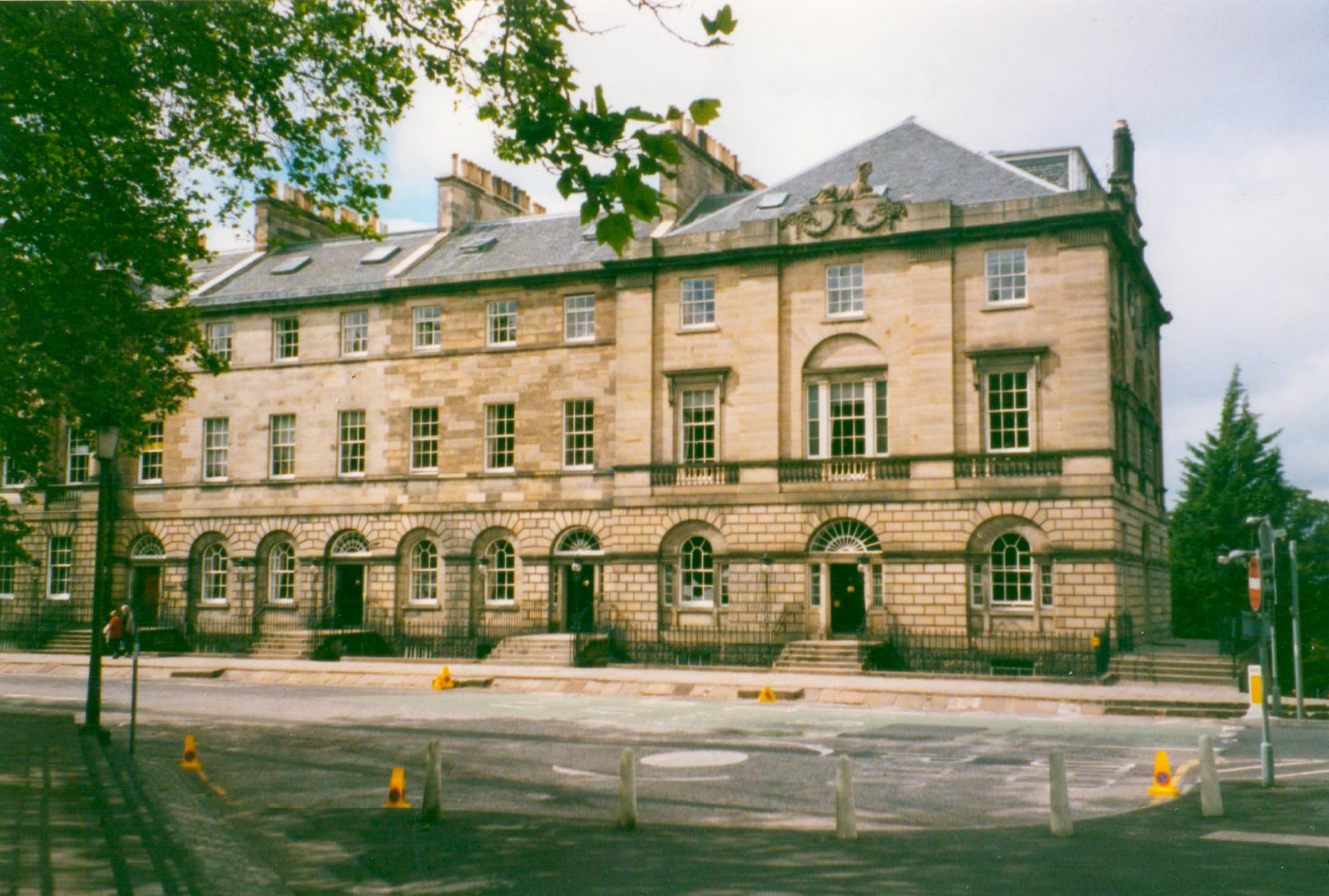
The Old Town, where the Castle, the Royal Mile and the vaults are, is where most visitors spend most of their time, and that is the right call for a short trip. But the New Town, laid out in the late 18th century in the Georgian style, is a genuinely different city ten minutes' walk away: wider streets, more order, less crush. Princes Street and George Street are the well-known names and lean heavily toward big-name shops, but one street back from Princes Street, Rose Street is a much quieter pedestrian lane of small pubs and cafés. Charlotte Square is the New Town at its most Georgian, and Calton Hill, technically on the edge of both, ties the two together. If you have three days rather than two, this is the half-day that rounds out the trip.
While you are on that side of the city, Dean Village is worth the detour: a small cluster of old mill buildings where the Water of Leith runs right through, quiet and genuinely picturesque rather than staged for photos. Circus Lane, five minutes away, is the same idea on a smaller scale, a cobbled mews lane that keeps showing up on Instagram for a reason.
Food and drink experiences worth booking ahead
Edinburgh sells whisky as a full experience rather than just a drink, and there are real differences between the big attractions and an actual working distillery, plus the actual price-per-hour value of each, covered in full on the whisky tours guide. Less well known: the Chocolatarium, a small, hands-on 90-minute experience just off the Royal Mile where you learn how chocolate is actually made and leave having built your own bar, with Scottish twists like whisky-infused truffles thrown in. The Edinburgh Gin Distillery runs guided tours and tastings in the same vein as the whisky attractions, if gin is more your thing.
Ghost stories and underground Edinburgh
Edinburgh markets its underground history hard, and two very different sites get confused with each other constantly: a real sealed 17th-century street, and a set of 19th-century storage vaults with a genuinely darker reputation. The full comparison, including the actual price-per-hour maths between the two vaults operators and which operator to book, is on the Edinburgh Vaults vs Mary King's Close guide. If you'd rather do a single evening walking tour that covers the ghost stories above ground and below in one go, this is the most-reviewed option we found for Edinburgh specifically:

The World Famous Underground Ghost Tour
An evening walking tour combining Old Town ghost stories with a stretch underground, over 10,000 reviews behind it, the largest sample of any single product on this page.
Museums and indoor attractions for a wet afternoon
Beyond the two free ones already mentioned: Camera Obscura & World of Illusions, a genuinely old Edinburgh attraction (Victorian-era) with a rooftop camera obscura and a mirror maze, popular with families. Dynamic Earth, a science centre built into a former brewery site at the bottom of the Royal Mile, good for kids curious about space and geology. Surgeons' Hall Museums, a smaller, stranger pick if medical history or the macabre appeals. Check current ticket prices and hours directly with each attraction, they are not run by a single operator and change independently of each other.
Getting around once you're done walking
Before any of it, there is the journey in from the airport, where the default advice costs people money: the tram is more expensive and slower than the Airlink 100 bus, and it stops running at 22:52. The full comparison is in Edinburgh Airport to the city centre.
Everything above is realistically walkable from the Old Town, but if your feet are done for the day, the hop-on hop-off buses cover the same Old and New Town ground on wheels, and the maths on which ticket actually saves you money is on that page. Fans of the books should also read our Harry Potter tour guide before booking anything, two nearly identically named tours here cost wildly different amounts. When the city itself isn't enough, a Highlands day trip or one of the other day trips from Edinburgh gets you out of the city for a day without needing a car. And if you're still deciding how long to actually stay, our how many days in Edinburgh guide breaks down exactly what fits into 2, 3 or 4 days, with real opening hours and prices, not a guess.
Quick answers
How many days do you need in Edinburgh?
Two full days covers the Old Town, the Castle and one museum properly. Three lets you add the New Town and a food or whisky experience without rushing. Four or more, and a day trip to the Highlands or Fife starts to make sense.
What is free to do in Edinburgh?
The National Museum of Scotland, the Scottish National Portrait Gallery and the National Gallery of Scotland are all free to enter. So is climbing Arthur's Seat or Calton Hill, walking the closes off the Royal Mile and through Greyfriars Kirkyard, and wandering Victoria Street and the Vennel Viewpoint. Most of the biggest things on this page cost nothing.
Is Edinburgh Castle worth the ticket price?
Yes, once, especially for the Crown Jewels, St Margaret's Chapel and the view over the Firth of Forth. Book ahead and go first thing in the morning: it gets genuinely crowded by early afternoon, and the one o'clock gun draws the thickest crowd of the day.
Old Town or New Town, which matters more?
Old Town for history and atmosphere, it's where the Castle, the Royal Mile and the vaults are. New Town for a calmer pace and Georgian architecture, particularly Charlotte Square and Rose Street. Most visitors spend most of their time in the Old Town and that's the right call, but skipping the New Town entirely means missing Calton Hill.
What do people skip that they should not?
The closes and courtyards just off the Royal Mile, most visitors walk straight past them. And the free museums: the National Museum of Scotland alone is worth two to three hours and costs nothing to get in.
Is Edinburgh's Harry Potter connection real?
Partly. J.K. Rowling wrote much of the series in Edinburgh cafes, and several character surnames, Tom Riddle among them, appear on real gravestones in Greyfriars Kirkyard, free to visit. There is no film location here though, Hogwarts scenes were shot elsewhere.
Is the Castle guided tour worth it over just buying entry?
Only if you want a guide at all, and then the arithmetic is clearer than the marketing. The castle's own guided tour adds £6.50 to your £23.50 ticket for 30 minutes of guiding, so £30 in total. Third-party guided tours start at £39 for 90 minutes, which is £9 more for an hour more and works out cheaper per guided minute. If you'd rather wander at your own pace, standard entry at £23.50 plus the £4 audio guide gets you the same rooms.

About this guide
Written by Diego Fresno, Independent travel writer and researcher. Guides are based on first-hand research in Edinburgh and verified against operator and official sources for the 2026 season. Verified: August 2026. About the author →